
Preparing for any type of exam can be can be 😟 very a little stressful at times, and the Eleven Plus is no different. Here are some tips to help prevent your child getting stressed, and to effectively handle it if it does occur.

| Get the balance right… Keep a balance between Eleven Plus preparation and other activities. Also keep in mind other work the child has to do such as homework or chores. Ensure your child takes regular breaks during their study time. This can simply be to get themselves a drink or do a few stretches |
| Draw up a schedule… Putting together a timetable, even a rough one, can help your child get into a smooth routine. Suddenly springing on them after school that they have got to do two hours of study isn’t likely to go down well. Get your child involved by showing them the schedule you have drawn up and asking for their feedback, being prepared to make small (sensible) tweaks if necessary. This helps them feel that their opinion is valued. |


| Talk… Be available to your child to talk. It sounds simple, but how often do we ask children how they are feeling? Try to listen if they want to vent and give them some down time or a short break from Eleven Plus practice if they are feeling overwhelmed. |
| Quality over quantity… The goal with Eleven Plus practice is that children understand the work they are doing, as well as making gradual but sustained progress. With that in mind, it is the quality of the work that they are doing, not the amount that is important. Children should be refreshed and not tired. Ensure their working space is free of unnecessary clutter and is a comfortable and quiet place for them to focus. |


| A good diet… Foods with slow release energy are great for keeping children alert and focused. A breakfast of porridge and banana or peanut butter on wholemeal toast are a great start to the day, for example. A healthy snack on their desk such as dried fruit and nuts or popcorn can be great for them to dip into as a quick pick-me-up. Also, ensure they are kept hydrated, with a bottle of water on hand. |
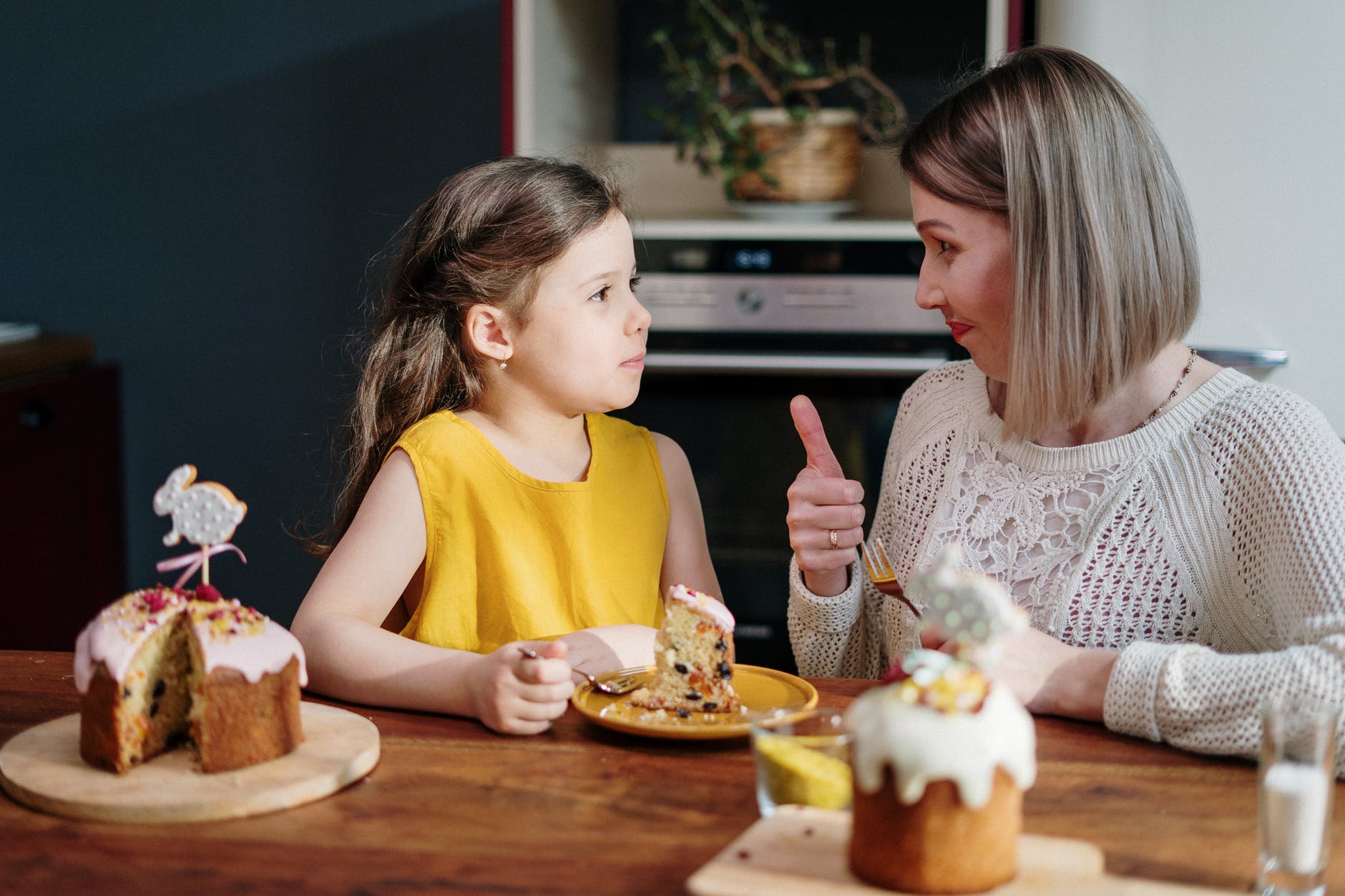
| Be positive… Being positive about your child’s progress will help build their confidence and motivate them to want to do well. Be constructive when critiquing their work. For example, instead of saying ‘most of this work is wrong’, you could say’ I can see you tried hard at this, but I think we need to go over adding fractions again’. |
 ElevenAid